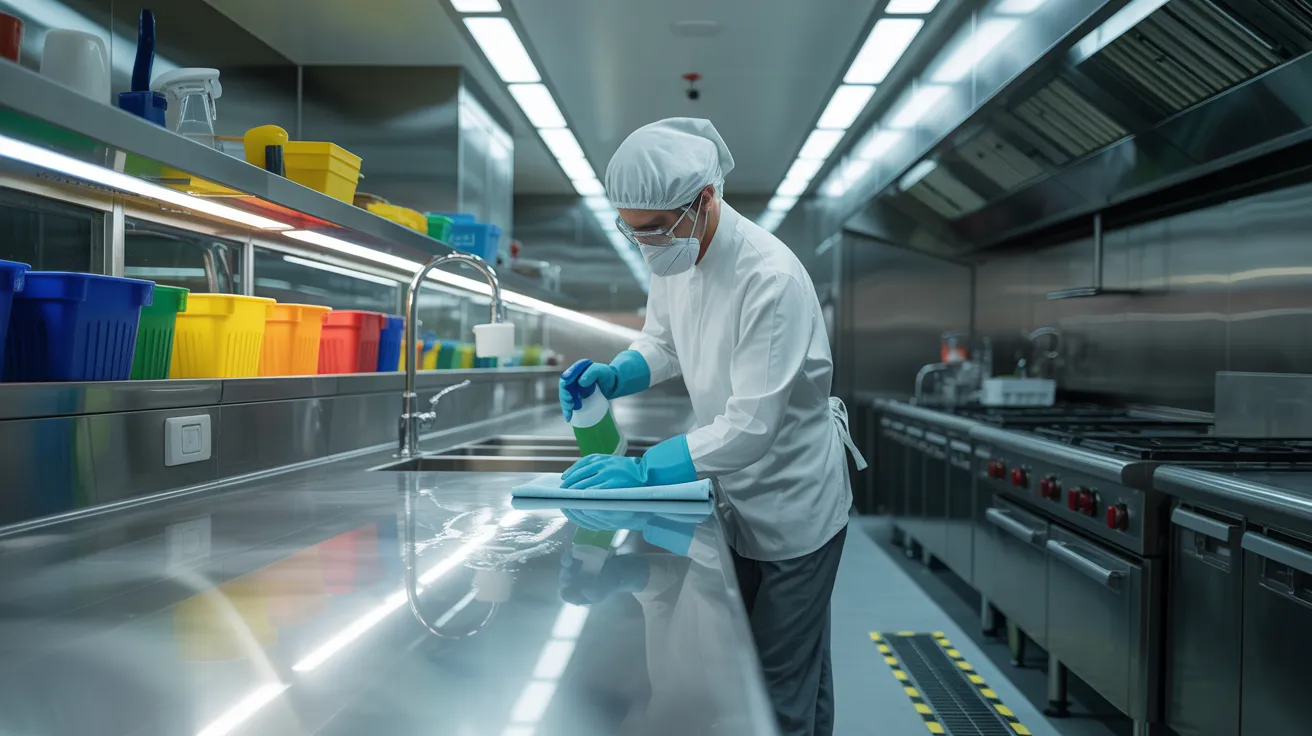
Food hygiene and professional sanitation experts in Brampton assist you in maintaining dining venues, commissaries, bakeries, warehouses, and food service units to code. They sanitize high-touch points, food-contact surfaces, equipment, floors, drains, restrooms, and prep areas with approved chemicals, proper dilution, and recorded contact times.
Main Points
- Brampton sanitation experts assist restaurants, grocery departments, commissaries, warehouses, bakeries, schools, mobile vendors, and allergen-sensitive operations.
- High-touch surfaces, food-contact equipment, kitchens, floors, drains, restrooms, and storage areas are treated using zone-based workflows to avoid cross-contamination.
- Validation of approved sanitizer dilution, suitability, and contact time is completed by trained vendors, with conclusion logged using swabs, assessments, and correction logs.
- Daily, periodic, and cyclical tasks allocated by zone form sanitation schedules founded on hazard, output capacity, switches, releases, and standards.
- Protection, color-coded tools, HACCP, sanitation understanding, safety training education, references, and audit-ready hygiene documentation are important vendor qualifications.
Which Brampton Facilities Need Food Safety Cleaning?
Food safety cleaning is mandatory for any Brampton facility that manages, stores, prepares, packages, or distributes food. Apply it to your operation if it falls within health inspections, food codes, or HACCP requirements. This includes restaurants, cafeterias, commissaries, grocery food departments, butcher shops, seafood counters, convenience stores, and institutional kitchens.
You'll equally need proper hygiene protocols in distribution warehouses, production plants, frozen storage areas, commercial bakeries, educational meal programs, banquet venues, and food delivery services. Portable business models matter as well, like food trucks, event sellers, and temporary stalls. Should your employees work with ingredients, section ready-to-serve foods, heat meals, or keep allergens stored, your location requires recorded sanitation procedures. In Brampton, sanitation stays compulsory; it represents statutory, functional, and public health compliance.
What Do Brampton Cleaning Experts Clean?
You need skilled cleaning experts who sanitize frequently touched areas, cooking areas, flooring, and restroom facilities to ensure compliance with food safety and health standards. These locations are prioritized due to their high cross-contamination potential, falling hazards, and regulatory breaches.
By understanding their service scope, you can make sure your operation's sanitation protocols satisfy all operational and regulatory requirements.
Essential High-Touch Surface Sterilization
assign how often each zone is disinfected
when results fall beyond required limits. Additionally, they eliminate contamination spread by changing cleaning materials, maintaining one-way workflows
Kitchens, Floors, and Restrooms
Professional cleaners in Brampton concentrate on kitchens, floors, and restrooms given that each location involves distinct contamination control, falling hazards, and public health requirements. In industrial kitchens, you need degreasing on cook lines, equipment exteriors, drains, prep surfaces, and splash zones to minimize bacterial growth and pest activity.
Professional floor upkeep with documentation is also included. is likewise provided as part of the service.
For restroom sanitation, cleaners disinfect high-touch surfaces, bathroom fixtures, stall dividers, supply dispensers, and trash receptacles, then restock supplies and control odours. They also maintain restaurant cleaning supply rooms where product storage, sink cleanliness, and drain systems impact daily sanitation standards and worker protection.
Why Food Safety Cleaning Matters in Brampton
To comply with regulatory mandates and pass inspections, Brampton establishments must maintain food-safe cleaning standards. You also reduce cross-contamination by cleaning and sanitizing food-contact surfaces, equipment, and high-touch areas correctly. Most importantly, you safeguard public health by lowering the risk of foodborne illness in your facility.
Food Safety Regulations
Brampton food establishments must comply with stringent health requirements, so sanitation practices is critical to satisfying health codes, defending customers, and preventing penalties. You must maintain hygienic food handling zones, recorded sanitation plans, safe chemical management, and documented employee protocols that correspond to municipal and provincial inspection expectations.
Should your cleaning standards decline, you expose yourself to violations, remedial directives, public perception issues, and service interruption risks during subsequent audits or regulatory reviews.
Cross-Contamination Prevention
Maintaining health code standards copyrights on your power to stop cross-contamination during everyday food preparation and sanitation. You need to partition uncooked items from finished dishes, sanitize prep surfaces between tasks, and position cleaning agents away from food surfaces. Explicit protocols lower contamination threats and reinforce steady regulatory adherence.
Building allergen segregation prevents priority allergens from contacting common workstations, storage, or apparatus. Leverage separate cutting boards, colored implements, and strict utensil labeling so team members won't blend products in cooking or serving.Enforce handwashing after handling raw meat, seafood, eggs, or allergen-containing products. Refresh cleaning cloths frequently, and confirm disinfectant efficacy using test strips. When your team follows these practices each shift, you create a cleaner, safer operation that meets Brampton's food safety expectations consistently.
Public Health Protection
Should food safety cleaning collapse, you don't simply risk a failed inspection—you expand the odds of contamination-related sickness impacting customers, staff, and the wider Brampton population. You also undermine your responsibility in protecting public health, especially in busy food facilities where pathogens travel quickly through surfaces, equipment, and touchpoints.
You must establish cleaning procedures that remove contaminants, disinfect correctly, and verify outcomes. This involves adhering to exposure times, employing authorized sanitizers, logging schedules, and instructing staff to satisfy health-unit expectations. These mechanisms support pathogen reduction by limiting pathogens before reaching food or hands. Across Brampton, strong cleaning protects at-risk populations, limits outbreak risk, and shows your diligence. When you follow standards, you exceed regulations—you substantially lower hazards and enable safer food service throughout the area.
How Can Cleaning Practices Ensure Food Safety Compliance?
Rigorous cleaning routines strengthen food safety compliance by lowering contamination exposure, limiting pathogen development, and keeping your facility aligned with sanitation requirements under HACCP-based programs and public health regulations. You confirm that food-contact surfaces remain visibly clean and microbiologically controlled, enabling documented preventive controls and inspection readiness.
Well-executed cleaning efforts also enhance allergen prevention by eliminating residues that can lead to undeclared allergen exposure.
Finding When to Plan Commercial Cleaning
Establish cleaning schedules based view this on risk assessment, output volume, and regulatory standards rather than relying solely on a fixed calendar. You should schedule standard cleaning every day
Separate your periodic tasks from routine cleaning
Finding Quality Brampton Cleaning Experts: A Guide
Evaluate providers first by sanitation compliance standards rather than cost. You must ensure each provider understands CFIA, public health, and HACCP requirements for your business. Request proof of insurance, WHMIS compliance, staff training documentation, and supervision methods. Check technician understanding of contamination prevention, chemical handling, and documented sanitation practices.
You should further examine operational reliability and accountability. Request testimonials from Brampton food businesses, then review response times, corrective action plans, and communication standards. Validate the company supports supplier audits and can supply compliance documentation to regulators or third parties. Confirm equipment receives maintenance, colour-coded tools are applied correctly, and facility-specific risks are identified. A experienced service ensures regulatory compliance, product integrity, and your reputation in the market.
What's included in a Food Safety Cleaning Plan?
Write out a framework that outlines every sanitation task, standard, and responsibility before production begins. You should include cleaning frequencies, approved chemicals, dilution rates, contact times, tools, and verification methods for each zone, surface, and piece of equipment. Ensure you include pre-operational inspections, corrective actions, and employee training requirements.
Your strategy should also address cross-contamination controls, waste handling, pest-prevention measures, and documented schedules for restrooms, drains, floors, and food-contact areas. Outline how you'll distinguish between uncooked and prepared items, facilitate ingredient tracking, and keep accurate allergen labeling through validated cleaning between product changes. You should assign accountability, document signed records, and assess results against regulatory standards, HACCP controls, and customer requirements. When gaps appear, modify procedures immediately and instruct staff.
Frequently Asked Questions about the Plan
Will sanitation providers manage nighttime hours at Brampton facilities?
If you operate controlled facilities, you'll also require records that enable audits and ensure quality assurance.
Can sanitation professionals manage emergency spill response?
Yes, you can expect Brampton sanitation professionals who provide hazard containment solutions. They handle contamination, evaluate dangers, isolate affected areas, and begin swift cleanup to reduce exposure and prevent business interruption. You should confirm response times, professional credentials, safety procedures, and disposal procedures. If your facility must meet regulatory requirements, select a service that documents incidents, follows compliant standards, and supports audit readiness.
Will plant-based disinfectants sanitize safely surfaces contacting food?
In essence, natural disinfectants remain safe for food-handling equipment provided you source items marked food-safe that meet compliance requirements. Check contact times, dilution ratios, and rinse protocols prior to application. Plant based formulas minimize harsh chemical exposure, although you should obtain evidence of effectiveness against relevant pathogens. To ensure residue free surfaces, adhere to exact manufacturer guidelines and confirm the disinfecting agent adheres to food sanitation requirements.
Can cleaning schedules adjust with seasonal variations?
Yes, you can adjust cleaning plans for seasonal shifts. You should revise schedules, labor allocation, sanitizers, and verification steps to align with seasonal workflows while maintaining regulatory requirements. You'll minimize production downtime by timing sanitation around changeovers, peak volumes, and usage cycles. You should also update procedural documents, instruction programs, and monitoring protocols to reflect seasonal hazards, additional allergens, or increased soil loads. Continuous reviews maintain your program effective.
Do commercial cleaning providers instruct your team in proper hygiene techniques?
Indeed, commercial cleaning providers often offer staff training on proper hygiene. Your staff receives training on proper chemical use, contact times, cross-contamination prevention, equipment breakdown, and record-keeping. They generally adhere to training with HACCP, GMP, and CFIA or local public health requirements. Many perform sanitation audits to confirm standards, reveal issues, and reinforce corrective actions. This supports you in establish reliable processes, achieve compliance, and reduce food safety risks each day.
Closing Remarks
When you partner with Brampton food safety and commercial cleaning experts, you aren't merely cleaning—you keep your operation inspection-ready and your standards above board. From kitchens to processing floors, every polished surface and well-kept corner minimizes pest intrusion and avoid expensive problems. By arranging cleanings at the proper frequency and following a clear cleaning plan, you protect employees, customers, and your reputation. In a tightly regulated environment, sanitary conditions are essential—they're fundamental to proper operations.